The Power of the Monthly Log Book: Your Personal Tool for Progress and Reflection
In a world filled with digital notifications and fleeting social media updates, the act of physical writing holds a unique, grounding power. A Monthly Log Book is not merely a diary or a planner; it is a dedicated space for intentional reflection, structured tracking, and meaningful progress. Whether you are a student, a professional, an artist, or simply someone seeking more order and insight in your life, this tool offers a surprisingly profound way to engage with your time and goals. This article explores the what, why, and how of maintaining a monthly log, explaining its purpose from the ground up and demonstrating its practical relevance in modern daily activities.
What Exactly Is a Monthly Log Book?
Imagine a notebook, but one designed with a specific, recurring purpose. A Monthly Log Book is a physical volume where you record key events, accomplishments, thoughts, and data over the course of a single month. Unlike a daily journal that might capture every detail, the monthly log operates at a higher altitude, focusing on the broader patterns and significant milestones that emerge over thirty days. Its core function is condensation and review. You might note completed projects, health habits, financial summaries, creative ideas, or personal reflections. The format is often simple: a page or section for each month, allowing you to easily look back and compare your journey across the year.
The concept builds on timeless practices like keeping ledgers, ship logs, and scientific observation records. In our personal lives, it serves a similar purpose: to create a reliable, personal archive. This is not about frantic, daily logging but about the disciplined, periodic act of stepping back and assessing. Many people misunderstand this, assuming it requires extensive daily effort. In reality, a monthly log is often updated weekly or even just at the month’s end, making it a manageable commitment even for busy individuals.
The Core Purpose: From Chaos to Clarity
Why would someone choose to maintain such a log? The primary purpose is to combat the fog of busyness. Modern life, with its blend of work, family, technology, and social obligations, can feel like a continuous stream without clear markers of progress. A monthly log acts as a series of buoys in that stream, giving you points of reference. Its significance lies in three key areas:
- Creating Tangible Evidence of Progress: Goals can feel abstract. Writing down that you "ran 15 times this month" or "finished the first draft of chapter three" transforms effort into visible achievement. This evidence is a powerful motivator.
- Facilitating Informed Reflection: Without records, our memory of a month is often dominated by the last week or a single emotional event. A log provides a fuller picture, enabling you to reflect on what truly worked, what didn't, and how you felt over the entire period.
- Enhancing Decision-Making: Patterns emerge in data. Perhaps you notice your energy dips in weeks with three consecutive late-night work sessions, or your creative output spikes after weekend nature walks. A log makes these patterns visible, informing better choices for the future.
The Monthly Log in Modern Life: A Versatile Companion
The practical relevance of a monthly log book stretches across nearly every domain of contemporary life. It is a flexible tool that adapts to your needs.
For Personal Development and Well-being
In the realm of personal growth, a monthly log becomes a wellness tracker and a mindfulness exercise. You can log physical activity, meditation sessions, sleep patterns, or mood trends. This isn't about creating strict accountability, but about cultivating awareness. For example, seeing a month where "felt anxious" appears frequently might prompt you to explore new relaxation techniques the next month. It turns subjective experience into observable information, which is the first step toward positive change.
For Professional and Business Growth
In work and business, the log shifts to a professional development tool. Freelancers can track projects completed, clients acquired, and hours spent. Entrepreneurs can note key business metrics, networking events, and lessons learned from setbacks. Employees might record skill development, contributions to team goals, and career-related reflections. This practice builds a professional narrative that is invaluable for performance reviews, portfolio building, and strategic planning. It helps you move from simply doing your job to consciously managing your career trajectory.
For Creativity and Education
For students and creatives, the log serves as an idea incubator and progress map. A student might track study hours, grades received, and concepts mastered, creating a macro-view of their academic semester. A writer, musician, or artist can log creative hours, projects initiated, inspirations encountered, and blocks overcome. This process helps combat the common creative assumption that progress must be linear and instantly successful. By logging the messy, iterative journey, creators can appreciate their own growth and persistence.
Building Your Own Practice: How to Start and Sustain a Monthly Log
Starting a monthly log is simple, but sustaining it requires linking it to your natural rhythms. The key is to make it helpful, not burdensome.
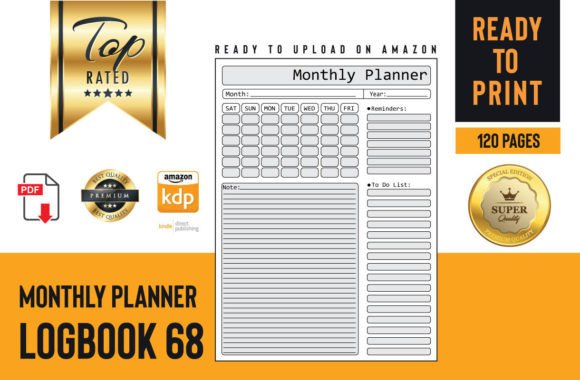
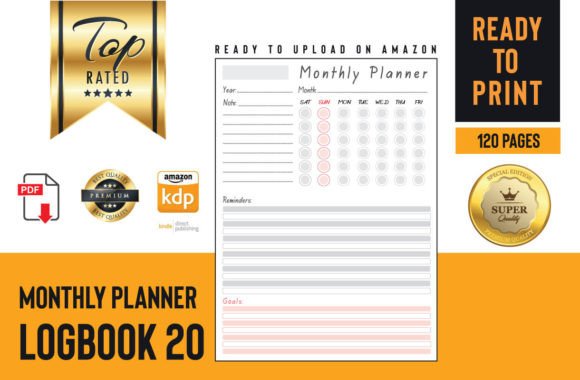
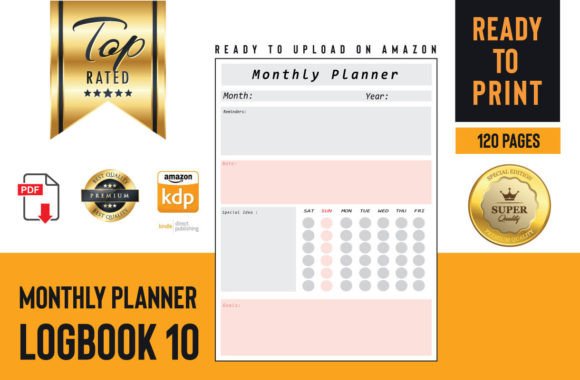
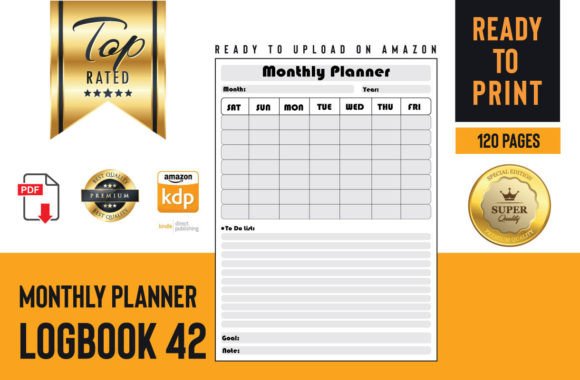
First, choose your format. You can use a blank notebook, a dedicated printable log book (like a 120-page A4 volume designed for this purpose), or even a section in your existing planner. The advantage of a pre-structured "Walking Log Book" is that it provides a consistent framework—likely with spaces for dates, key entries, and summaries—which reduces the friction of starting each month. Having a high-resolution, print-ready PDF or physical book means your tool is always ready, aesthetically pleasing, and purposeful.
Second, define your entry categories. What will you actually log? Keep it limited to three to five areas that matter most to you right now. Common categories include:
- Key Accomplishments (Work/Personal)
- Health & Wellness Habits
- Financial Summary (Income, Savings, Notable Expenses)
- Learning & Insights (Books finished, skills practiced, lessons learned)
- Personal Reflections (General mood, relationships, gratitude)
Third, set a logging schedule. Many find it effective to make brief notes weekly—say, on a Sunday evening—and then compile a fuller monthly summary on the last day of the month. This spreads the effort and integrates it into your weekly review routine.
Examples in Action: Making the Abstract Concrete
Let's see how this works naturally through examples.
Example 1: A Fitness Goal. Instead of just aiming to "get fit," your monthly log for January might read: "Ran 12 times (total 36 miles). Completed 15 strength sessions. Average sleep: 7.2 hrs. Feeling: more energetic in mornings." In February, you can compare: "Ran 16 times (48 miles). Added yoga. Sleep avg: 7.5 hrs. Feeling: less joint stiffness." The log transforms a vague goal into a clear, comparative story.
Example 2: A Business Project. An entrepreneur's March log: "Launched new website. Attended 2 networking events (made 3 valuable contacts). Revenue: $5,200. Challenge: supply delay for Product A. Insight: need better vendor backup." April's entry builds on this: "Fixed vendor issue. Marketing campaign started. Revenue: $6,100. Learning: social ads more effective than expected." The log becomes a strategic briefing for yourself.
Clarifying Common Misunderstandings
Several assumptions can prevent people from benefiting from a monthly log. Let's clarify them.
Misunderstanding 1: It's Just a Fancier Diary. While it can include reflections, its primary orientation is review and tracking, not emotional catharsis. It's more analytical and forward-looking than a classic diary.
Misunderstanding 2: It Requires Perfect Consistency. Missing a week or having a sparse month is not a failure. The log is a tool for you, not a judge. Even incomplete data over several months can reveal patterns.
Misunderstanding 3: It's Only for Highly Organized People. Ironically, it is most beneficial for those feeling disorganized. The simple act of monthly summarization creates a natural structure and sense of control.
The Broader Understanding: A Tool for Conscious Living
Ultimately, the Monthly Log Book is about more than organization. It fits into a broader philosophy of conscious, intentional living. In an age where technology often quantifies our lives in ways that feel invasive (like screen-time reports), this practice represents a personal, humane form of self-quantification. You choose what to measure. You control the narrative.
It encourages you to be not just a participant in your life, but also its observer and curator. By regularly pausing to log and review, you cultivate a habit of mindfulness and strategic thinking. You build a tangible history of your own efforts and evolution, which can be incredibly affirming. Whether you use a beautifully designed, print-ready walking log book with 120 A4 pages ready for KDP, or a simple notebook, the principle remains: you are creating a map of your journey, one month at a time. And with that map, you can navigate the future with greater confidence, clarity, and purpose.