Monthly Log Book 35: A Central Hub for Practical Progress Tracking
In any structured approach to work, whether managing a creative project, running a small business, or pursuing a personal learning goal, the monthly timeframe offers a critical vantage point. It's the operational scale where weekly tactics meet long-term strategy. Monthly Log Book 35 is designed to serve as the central physical hub for capturing, organizing, and reviewing this crucial monthly cycle. Unlike digital apps that can scatter information across multiple windows, this log book consolidates your month’s key data, decisions, and progress into a single, tactile resource ready for print and use.
The Role of a Monthly Log in a Cohesive Workflow
Effective workflow management often relies on a hierarchy of tools: a master annual plan sets the direction, quarterly reviews adjust the course, and weekly logs handle immediate actions. The monthly log sits squarely in the middle, translating quarterly objectives into actionable weekly blocks and providing a space for reflective review before the month closes. Monthly Log Book 35 isn't meant to replace your digital calendar or task manager; instead, it complements them. It’s the place for synthesis—where you distill the flood of daily notifications and appointments into core themes, accomplished milestones, and emergent insights that pure task lists often miss.
Consider a freelance graphic designer working on a client branding package. Their digital tool tracks deadlines and communication. The weekly log outlines specific design tasks for each day. Monthly Log Book 35, however, would capture the broader narrative of the month: the overall progress on the mood board, logo concepts, and style guide; notes on client feedback trends; and resource allocations for stock assets or software. This monthly view makes it clear whether the project is advancing on schedule or if adjustments are needed before the next quarter’s commitments begin.
Preparing for and Implementing the Monthly Cycle
The utility of a monthly log begins even before the month starts. A practical implementation tip is to dedicate the last page of the previous month’s log—or a dedicated section in Monthly Log Book 35—for a brief monthly kickoff. This isn’t a detailed plan, but a quick capture of the month’s primary focus areas drawn from your quarterly goals. For an educator, this might be “Complete curriculum module B,” “Schedule parent conferences,” and “Research new assessment tools.” This sets a clear intent.
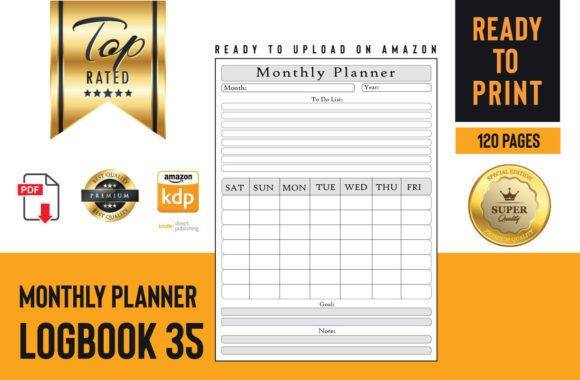
During the month, the log becomes a living document. Its structure, typically offering space for key dates, goals, progress notes, and a review section, allows for flexible use. A marketer might use it to track a campaign’s performance metrics week-by-week, noting which channels are driving engagement. A hobbyist learning a language could record their completed lessons, new vocabulary mastered, and reflections on difficulties encountered. The physical act of writing in a dedicated book encourages more considered entries than hastily typed digital notes, often leading to greater clarity and accountability.
Integration with Other Assets and Platforms
A common concern with physical tools is compatibility with digital ecosystems. Monthly Log Book 35 is designed with this hybrid reality in mind. Its use cases thrive when it interacts consciously with other resources. For instance, after a weekly team meeting on a project management platform like Asana or Trello, the key outcomes and decisions can be summarized in the monthly log. This creates a durable, high-level project history that’s easier to reference during stakeholder reports or performance reviews than digging through weeks of digital updates.
Similarly, for financial tracking in a small business, detailed transactions live in accounting software. The monthly log can house the summarized outcomes: total revenue for the month, top-performing products, and notes on significant expenditures. This bridges the gap between raw data and strategic understanding. The log book also acts as a stable repository for ideas that arise from consuming other assets—a key insight from a business podcast, a useful method from a webinar, or a creative inspiration from a book. Consolidating these in a monthly context helps assess their actual impact on your work over time.
Ensuring Consistency and Long-Term Value
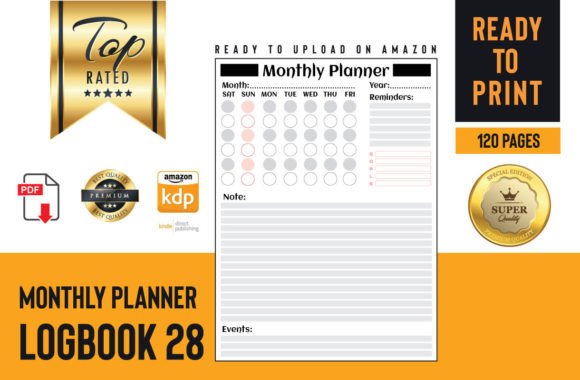
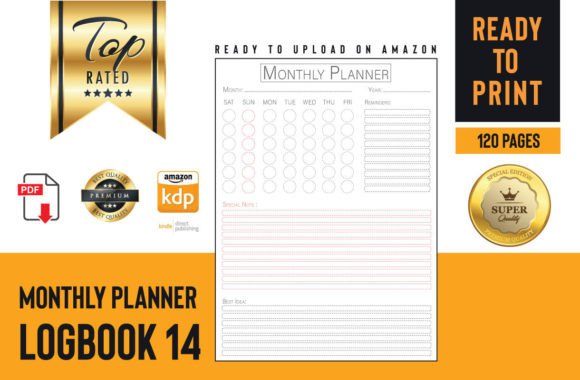
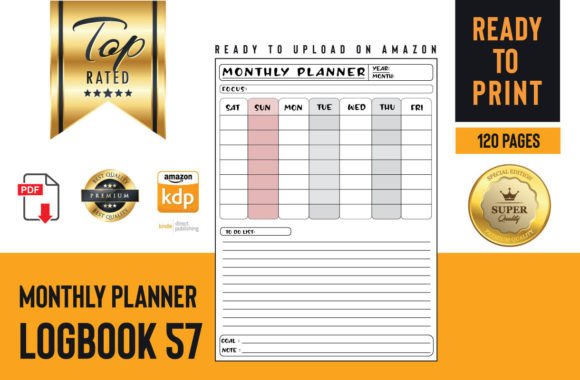
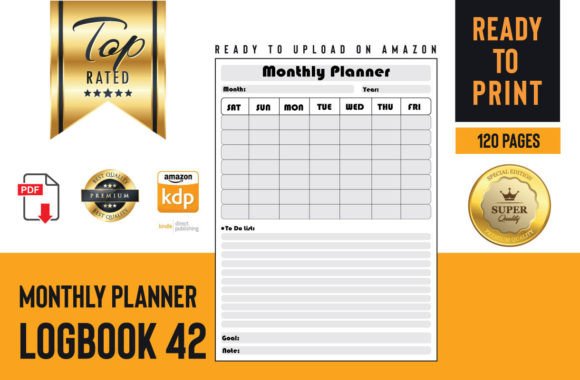
The long-term value of any log system depends on consistency and usability. The Ready to Upload Print Walking Log Book for KDP package, which includes Monthly Log Book 35, addresses this by providing a high-resolution, print-ready PDF. The 8.3 x 11.7-inch A4 page size offers ample space for writing without feeling cramped, supporting usability. Having a professionally formatted, 120-page book removes the friction of creating your own template each month, promoting consistent use. Over a year, this consistency builds a powerful archive: twelve volumes that collectively document your professional evolution, creative output, or personal growth journey in a tangible format.
Quality control in your workflow is enhanced by the mandatory monthly review section. This isn’t about auditing every task, but evaluating the month’s outcomes against its intentions. Ask practical questions: “Did the primary focus areas receive adequate attention?” “What was the most effective action I took?” “What unforeseen obstacle consumed the most time?” “What is the one carryover task for next month that must be prioritized?” This disciplined review, embedded in the log’s structure, turns experience into actionable learning, directly improving the planning and execution of subsequent cycles.
Practical Applications Across Diverse Roles
The application of a focused monthly log is remarkably adaptable. For an entrepreneur launching a product, the log can track pre-launch activities across development, marketing, and logistics, providing a unified view that prevents any area from being overlooked. For a blogger or content creator, it can map out the monthly content calendar, track publication stats, and record audience engagement notes, tying daily publishing efforts to monthly growth metrics.
In more personal contexts, such as managing a home renovation or a sustained fitness goal, Monthly Log Book 35 offers organization amidst complexity. A renovation project involves decisions, purchases, contractor communications, and budget checks. Having a monthly log to consolidate these elements provides clarity and a record for future reference. For a fitness goal, logging monthly milestones, workout consistency, and nutrition observations creates a macro-perspective that daily trackers can’t provide, highlighting patterns and motivating sustained effort.
A Tool for Decision-Making and Resource Allocation
Beyond tracking, the monthly log actively supports better decision-making. By visually presenting the month’s commitments and progress, it becomes easier to identify resource bottlenecks—whether that’s time, money, or attention. A professional noticing that three consecutive monthly logs show “client administrative work” consuming disproportionate time might decide to invest in a new tool or delegate that process. The log provides the evidence base for such impactful decisions.
It also serves as a purchase and learning journal. When researching a significant purchase—like new software for a business or equipment for a hobby—notes on evaluation criteria, options researched, and final decisions can be kept in the monthly log. This creates a valuable reference for future upgrades or troubleshooting. Similarly, for a structured learning activity, like an online course, the log can track completion modules, key takeaways, and ideas for application, ensuring the learning integrates into your practical workflow rather than being passively consumed.
The ultimate aim of integrating Monthly Log Book 35 into your routine is to create a rhythmic process of planning, execution, and review. It functions as the central gear connecting the faster spin of weekly activity to the slower turn of quarterly and annual strategy. By providing a designated space for this operational review, it reduces mental clutter, enhances focus on priorities, and builds a tangible history of your work. The ready-to-print format means you can start this integrative practice without delay, embedding a simple but powerful structure for mindful progress tracking into your monthly workflow.