Your Personal Journey Captured: The Art and Utility of the Walking Log Book
In an age dominated by digital notifications and fleeting social media updates, there is a growing, quiet appreciation for the tangible, the deliberate, and the personally curated. Among the tools fostering this mindful reconnection is a simple, powerful companion: the walking log book. Far more than a mere notebook, a dedicated log book for your walks serves as a personal archive of movement, reflection, and progress. This article explores the purpose, design, and profound significance of maintaining a walking log, a practice that blends physical wellness with mental clarity and creative expression.
What is a Walking Log Book?
A walking log book is a structured journal specifically designed for recording your daily, weekly, or monthly walks. It provides a consistent framework to track not just quantitative data like distance and time, but also qualitative experiences—your observations, moods, and the small discoveries made along the way. Think of it as a hybrid between a fitness tracker and a personal diary, all housed within a physical book you can hold and fill with your own hand. The core idea is to move beyond the automatic data collection of a smartwatch app and engage actively in documenting your journey.
The Foundational Purpose: From Recording to Reflecting
The primary purpose of a walking log is straightforward: to record. However, this simple act of recording unfolds into multiple layers of significance. Firstly, it establishes accountability and motivation. Seeing your commitments and achievements written down concretely reinforces your habit. Secondly, it transforms a routine activity into a mindful practice. By prompting you to note what you saw, heard, or felt, the log turns a walk into an exercise in present-moment awareness. Finally, it creates a lasting artifact. Over time, the log becomes a unique memoir of your life's paths—the routes you traversed, the thoughts you had, and the seasons you witnessed.
The Anatomy of a Well-Designed Log: Ready to Print and Use
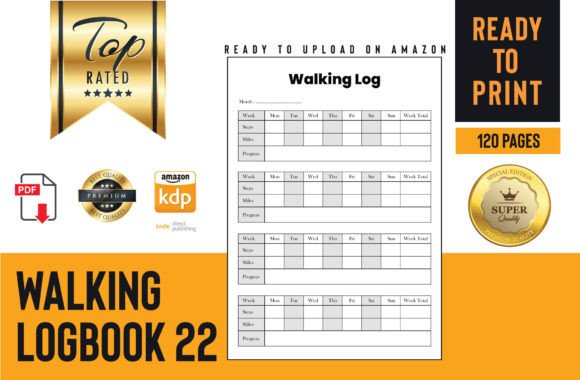
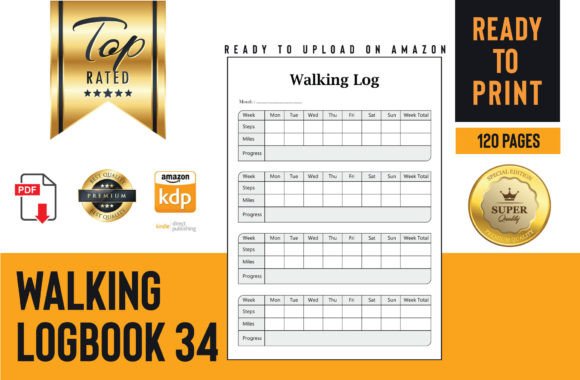
An effective walking log book is thoughtfully structured to be both intuitive and comprehensive. A ready-to-upload, print-ready version, such as a 120-page book designed for 8.3 x 11.7-inch A4 printing, typically organizes content for a full year of use. Its high-resolution, clean interior pages are crafted to make the logging process effortless and enjoyable. Common sections include:
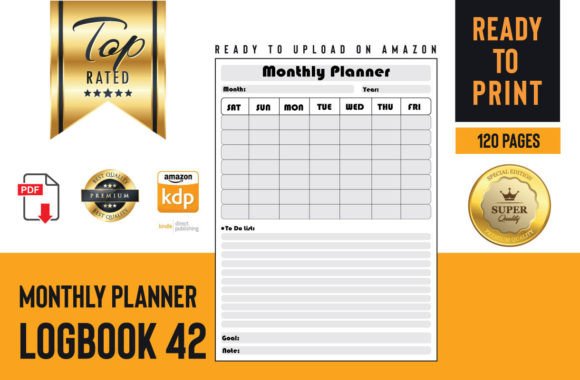
- Monthly Overview Pages: These often feature a calendar grid for marking walking days, setting monthly goals (like total distance or number of walks), and jotting down key highlights. "Monthly Log Book 22" refers to this kind of dedicated monthly section, providing a clear snapshot of your progress.
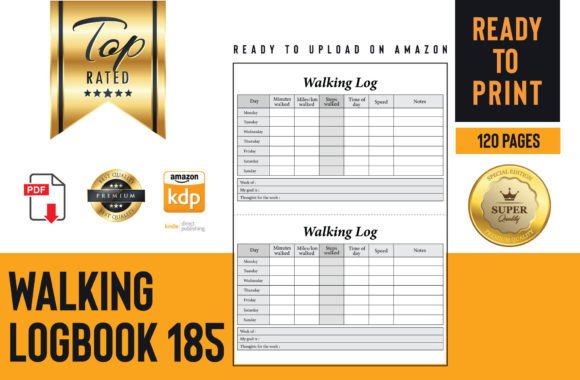
- Detailed Daily or Weekly Entry Pages: Here, you log the specifics of each walk. Standard fields include date, route name or location, duration, distance walked, weather conditions, and pace. Crucially, it also includes space for personal notes—what was memorable, any wildlife spotted, conversations had, or ideas that emerged during the walk.
- Progress Trackers and Summary Pages: Charts or tables to visualize cumulative distance over weeks or months, perhaps a map to sketch favorite routes, and sections for reviewing milestones achieved.
- Inspiration Pages: Some logs include prompts for new walking goals, lists of potential new trails to explore, or quotes to motivate the next outing.
This structured yet flexible design ensures the log serves its function without feeling restrictive. It guides the user but leaves ample room for personalization.
The Significance in Modern Life: Beyond Steps Counted
In our contemporary context, where health is often monitored through impersonal algorithms and life feels increasingly fragmented, a walking log book offers a counterbalance. Its significance touches several aspects of modern well-being.
Physical Health and Tangible Goals
For fitness enthusiasts or beginners, the log provides clarity. While apps give data, manually writing down your distance and time creates a stronger cognitive connection to your achievement. It helps you set realistic, incremental goals (e.g., "walk 30 km this month") and witness your improvement in a format you control, free from digital distractions. It's a tool for consistent, self-directed health management.
Mental Clarity and Emotional Processing
Walking is renowned for its mental health benefits. A log amplifies these effects. The act of writing about your walk—describing a peaceful moment or venting a frustration aired out during the stroll—is a form of processing. It turns the walk into a therapeutic ritual. The log becomes a safe space to unpack thoughts, leading to greater emotional equilibrium and creativity. Many find that solutions to work or personal problems "walk themselves into clarity," and the log captures that genesis.
Connection to Environment and Community
A log encourages you to pay attention. You start noting the first blooms of spring, the changing architecture in your neighborhood, or the regular encounters with friendly neighbors. This deepens your connection to your local environment and community, fostering a sense of place and belonging often lost in a fast-paced digital world.
Creative and Professional Relevance
For writers, artists, photographers, and thinkers, a walking log is a seedbed for ideas. Observations logged can become story details, painting subjects, or project inspirations. For professionals in any field, the clear mind fostered by a reflective walk, documented afterward, can lead to more focused work and innovative problem-solving. It’s a tool that supports cross-disciplinary creativity.
Practical Relevance: How to Integrate a Log into Your Daily Routine
Adopting a walking log practice is simple and adaptable. The key is to make it a natural, enjoyable part of your walking ritual, not a burdensome task.
- Choose Your Format: A physical, print-ready log book offers a tactile experience many prefer. Having it waiting on your desk or shelf serves as a visual reminder and commitment.
- Log Immediately or Reflectively: You can jot down core stats right after your walk, then fill in reflections later when you have a quiet moment. The log doesn't demand instant perfection.
- Be Honest and Varied: Record both the glorious sunny hikes and the short, rainy urban walks. The value is in the consistency of the practice, not in only logging "perfect" walks.
- Review Regularly: At the end of each month, spend a few minutes reviewing your "Monthly Log Book" section. Look at your achieved goals, read your notes, and appreciate the journey. This review is a powerful motivator for the next month.
- Personalize It: Sketch in the margins, add photos or ticket stubs from a walk in a park, or use colored pens. Your log should feel like your creation.
Clarifying Common Misunderstandings
Several assumptions about walking logs can prevent people from starting this rewarding practice.
- Misunderstanding 1: It's Only for Serious Athletes. Absolutely not. A walking log is for anyone who walks, from someone aiming for gentle daily movement to a dedicated hiker. The framework adapts to your level.
- Misunderstanding 2: It's Too Time-Consuming. Filling a structured page often takes just 2-5 minutes. The time investment is minimal compared to the long-term benefits of mindfulness and motivation it provides.
- Misunderstanding 3: Digital Apps Are Better. Apps are efficient for raw data. A log book is superior for integrated, reflective, and creative documentation. They complement each other; the log offers a human-centered, holistic record the app cannot.
- Misunderstanding 4: It Requires Perfect Penmanship or Artistic Skill. The log is for you. Legible notes to yourself are all that's needed. Its beauty is in its personal utility, not its polish.
Building a Broader Understanding: The Log as a Life Tool
Ultimately, a walking log book transcends its specific function. It becomes a metaphor and a practice for intentional living. By regularly documenting a simple, healthy activity, you cultivate habits of observation, reflection, and goal-setting that can spill over into other areas of life. You learn to pay attention, to celebrate small victories, and to create a narrative of your own progress. In a world of passive consumption, it is an active practice of creation—you are authoring the story of your well-being.
Whether you choose a beautifully prepared, PDF file ready for print on KDP, with its 120 pages of clean A4 layouts, or craft your own, the commitment to logging your walks is a step toward a more connected, mindful, and documented life. The path is there; the log simply helps you see—and remember—every valuable step you take upon it.